
"Bolivia coffee regions"
300 article(s) found

Is Bolivian boutique coffee beans cost-effective? Introduction of Super Flavor of PB Round Bean washed by Caranavi
Bolivia's Caranavi washed round beans are single-origin premium coffee beans from the Sol de laMaana program in the Caranavi region of Bolivia. The coffee is washed and roasted at a medium level. Rich body and citrus acidity. Aromas of sugarcane, litchi, red cherry and toffee and peach. This very special peaberry micro batch is from Sol de l.

Introduction of high-quality coffee with rich and unique aroma in Bolivian coffee manor
In 1932, the Chaco War broke out between Bolivia and Paraguay for oil resources in the North Chaco region. Bolivia was defeated and lost a large area of territory. The people's armed uprising broke out in April 1952, and Paisdensolo, leader of the nationalist revolutionary movement, became president. Since then, there have been frequent military coups and long-term political instability. Modern assets with South American characteristics were restored in October 1983

Introduction to boutique coffee with rich and unique aroma and taste characteristics of Bolivian snow vein manor
In 1932, the Chaco War broke out between Bolivia and Paraguay for oil resources in the North Chaco region. Bolivia was defeated and lost a large area of territory. The people's armed uprising broke out in April 1952, and Paisdensolo, leader of the nationalist revolutionary movement, became president. Since then, there have been frequent military coups and long-term political instability. Modern assets with South American characteristics were restored in October 1983

Introduction of Coffee Variety and Flavor in Copacabana producing area of Bolivia
For more information on coffee beans, please follow the Coffee Workshop (Wechat official account cafe_style) Bolivia is a landlocked country in South America and the center of the ancient Inca empire. It is also one of the few countries in South America where the local language is still widely used. From the peaks of the Andes to the vast saline plains, Bolivia has diversity

The method of brewing coffee beans in Caranavi coffee producing area of Karanavi, Bolivia? Bolivian.
Professional coffee knowledge exchange more coffee bean information please follow the coffee workshop (Wechat official account cafe_style) Bolivia Karanawi Caranavi coffee production area coffee bean brewing method? What are the conditions for growing coffee in Bolivia? Bolivia is one of the most difficult growing areas in the world, and transportation and climate are the biggest problems. After a special relationship of origin this year

Bolivia Coffee How to taste Growing environment Producing area Price Flavor Description Introduction
Arabica coffee cannot be grown at altitudes higher than 2000 meters, and if the altitude is too high, the coffee trees will freeze due to the low temperature. Bolivian coffee is mainly grown in the Yungas region northeast of La Paz. Bordering the Amazon River basin, it is about 1500-2500 meters above sea level and has an average annual temperature of about 10-15 ° C. Therefore, coffee growth is guaranteed.

Introduction to the treatment method of planting and Development History of Bolivian Coffee single Bean Flavor description
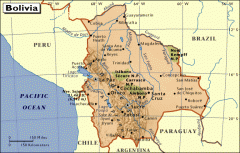
For professional baristas, please follow Coffee Workshop (Wechat cafe_style) BOLIVIA Bolivian population: 10461000 coffee-growing areas in Bolivia have never been significantly drawn, which is why different bakers use different naming conventions to describe different sources of coffee beans. YUNGAS about 95% of Bolivian coffee is produced here.

Bolivian Snow Veins Manor Coffee Flavor Description Variety Production Characteristics Fine Coffee Bean Introduction
In 1932 Bolivia and Paraguay fought for oil resources in the North Chaco region and the Chaco War broke out. Bolivia was defeated and lost a large part of its territory. April 1952 outbreak of armed popular uprising, nationalist revolutionary movement leader Passeden Soro took office as president. Since then, military coups have been frequent and the political situation has been turbulent for a long time. October 1983 Restoration of modern assets with South American characteristics
Home-baked boutique coffee (1) Bolivia
It is autumn, and the weather is getting cooler. Autumn is crisp, and the training that has been drilled into the roaster all summer has finally yielded some results before the arrival of this autumn. For baking, it is a touch of the door, and finally a little breath: Oh! It turns out that the baking method can be found out. Compared with the hot summer, it seems that every bean in autumn can impress people with its own unique taste.

A brief introduction to the cultivation of rich and unique boutique coffee beans in Bolivia, geographical location, climate and altitude
We know that Arabica coffee cannot be grown in cold places above 2000 meters above sea level. if the altitude is too high, coffee trees will frost because the temperature is too low. So Bolivian coffee is mainly grown in the Yungas region northeast of La Paz. It borders the Amazon basin and is about 1500-2500 meters above sea level with an average annual temperature of about 10-15 ℃. Therefore, guarantee

Bolivian coffee is produced in this region, and in the past it had a high reputation in Europe.
Professional coffee knowledge exchange more coffee bean information please pay attention to the coffee workshop (Wechat official account cafe_style) Bolivia is one of the most difficult growing areas in the world, transportation and climate are the biggest problems. After a special relationship of origin and cooperation this year, we strongly recommend friends who love alpine coffee with rich flavors such as cherry fruit, cream, chocolate and caramel.

Introduction to the characteristics of coffee bean flavor description price variety producing area in Bolivia and Cameroon
Bolivian boutique coffee Arabica coffee cannot be grown in cold places above 2000 meters above sea level. if the altitude is too high, coffee trees will frost because of low temperatures. So Bolivian coffee is mainly grown in the Yungas region northeast of La Paz. It borders the Amazon basin and is about 1500-2500 meters above sea level with an average annual temperature of about 10-15 ℃. Because of

Introduction of Bolivian Coffee Flavor description, Grinding degree, Variety characteristics, Price and taste
In 1932, the Chaco War broke out between Bolivia and Paraguay for oil resources in the North Chaco region. Bolivia was defeated and lost a large area of territory. The people's armed uprising broke out in April 1952, and Paisdensolo, leader of the nationalist revolutionary movement, became president. Since then, there have been frequent military coups and long-term political instability. Modern assets with South American characteristics were restored in October 1983

Characteristics of Bolivian coffee beans in Yonggas-Karanabi Inquisi area, Bolivia
For more information about coffee beans, please follow the coffee workshop (Wechat official account cafe_style). Our partner in Bolivia Coffee is Pedro Rodriguez and the Agricafe established by his son Pedro Pablo and daughter Daniela. Agricafe can be said to be an important driving force in reviving Bolivia's boutique coffee industry.

Introduction to the characteristics of Bolivian Coffee Flavor Manor producing area of High quality mixed Coffee
In 1932, the Chaco War broke out between Bolivia and Paraguay for oil resources in the North Chaco region. Bolivia was defeated and lost a large area of territory. The people's armed uprising broke out in April 1952, and Paisdensolo, leader of the nationalist revolutionary movement, became president. Since then, there have been frequent military coups and long-term political instability. Modern assets with South American characteristics were restored in October 1983

Bolivian coffee snow vein manor flavor taste characteristics boutique coffee beans introduction
In 1932 Bolivia and Paraguay fought for oil resources in the North Chaco region and the Chaco War broke out. Bolivia was defeated and lost a large part of its territory. April 1952 outbreak of armed popular uprising, nationalist revolutionary movement leader Passeden Soro took office as president. Since then, military coups have been frequent and the political situation has been turbulent for a long time. October 1983 Restoration of modern assets with South American characteristics

Introduction to the characteristics of fine coffee in the producing area of coffee flavor and taste in Xuemai Manor, Bolivia.
Bolivia was rescued from independence by Bolivar, a national hero from Caracas, Venezuela, during the War of Independence in Latin America in the 18th century, so the country was named after him. On August 6, 1825, independence from Spain was declared, named the Bolivarian Republic, and later changed to its present name. It formed a federation with Peru in 1836 and collapsed as a result of the Chilean invasion in 1839. one hundred and eighty six

What are the characteristics of Bolivian coffee beans? how does Bolivian coffee taste?
Professional coffee knowledge exchange more information about coffee beans Please follow the coffee workshop (Wechat official account cafe_style) Bolivia is one of the most difficult growing areas in the world, transportation and climate are the biggest problems. After a special relationship of origin and cooperation this year, we strongly recommend friends who love alpine coffee with rich flavors such as cherry fruit, cream, chocolate and caramel.

Introduction to Snow vein Manor Coffee with rich sour flavor and taste characteristics
In 1932, the Chaco War broke out between Bolivia and Paraguay for oil resources in the North Chaco region. Bolivia was defeated and lost a large area of territory. The people's armed uprising broke out in April 1952, and Paisdensolo, leader of the nationalist revolutionary movement, became president. Since then, there have been frequent military coups and long-term political instability. Modern assets with South American characteristics were restored in October 1983

Introduction to the Flavor and Taste characteristics of Bolivian Coffee Manor
In 1932, the Chaco War broke out between Bolivia and Paraguay for oil resources in the North Chaco region. Bolivia was defeated and lost a large area of territory. The people's armed uprising broke out in April 1952, and Paisdensolo, leader of the nationalist revolutionary movement, became president. Since then, there have been frequent military coups and long-term political instability. Modern assets with South American characteristics were restored in October 1983